Understanding Modern Automotive Key Systems
A car key used to be little more than a carved piece of metal. Today, it’s closer to a tiny wireless computer riding shotgun in your pocket. Modern automotive key systems combine mechanical locks, RFID technology, encrypted communication, remote controls, and proximity authentication to prevent theft while making vehicles easier to use.
Whether you drive a traditional keyed ignition vehicle or a push-button start SUV with a smart fob, nearly every modern vehicle relies on several interconnected components working together behind the scenes.
What type of key do you have?
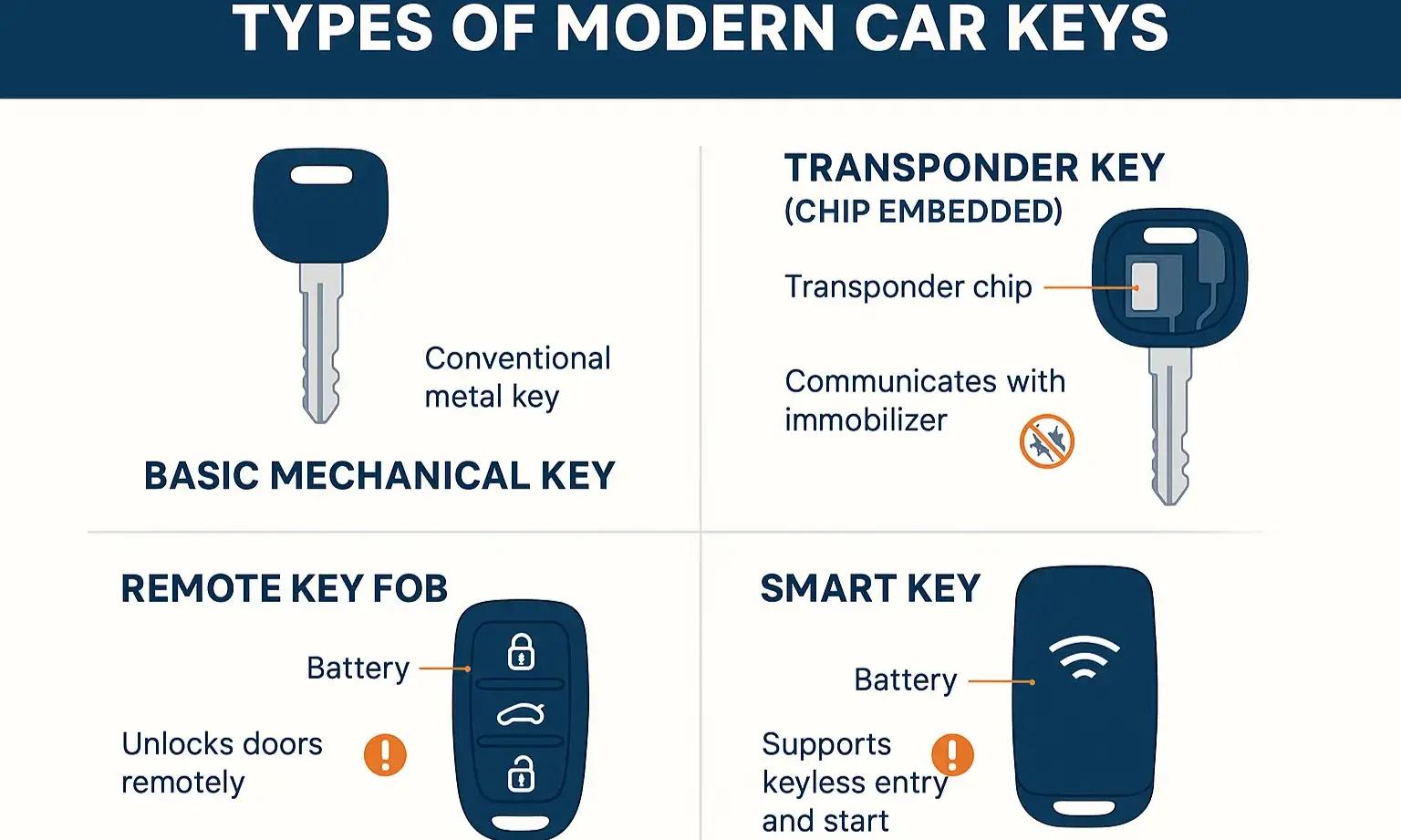
Mechnical Key – Applies mostly to motorcycles, and 25+ year old cars.
Transponder Key – Most cars, trucks, and SUV’s on the road today use transponder based systems and Valet Keys.
Remote Key – Integrated Remote and Key in a single Unit, can be flip style or remote head style
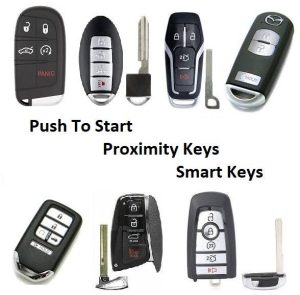
Smart Key – Push to start, modern system, used across most brands.
The Transponder Chip (Immobilizer System)
The transponder is the heart of modern anti-theft systems.
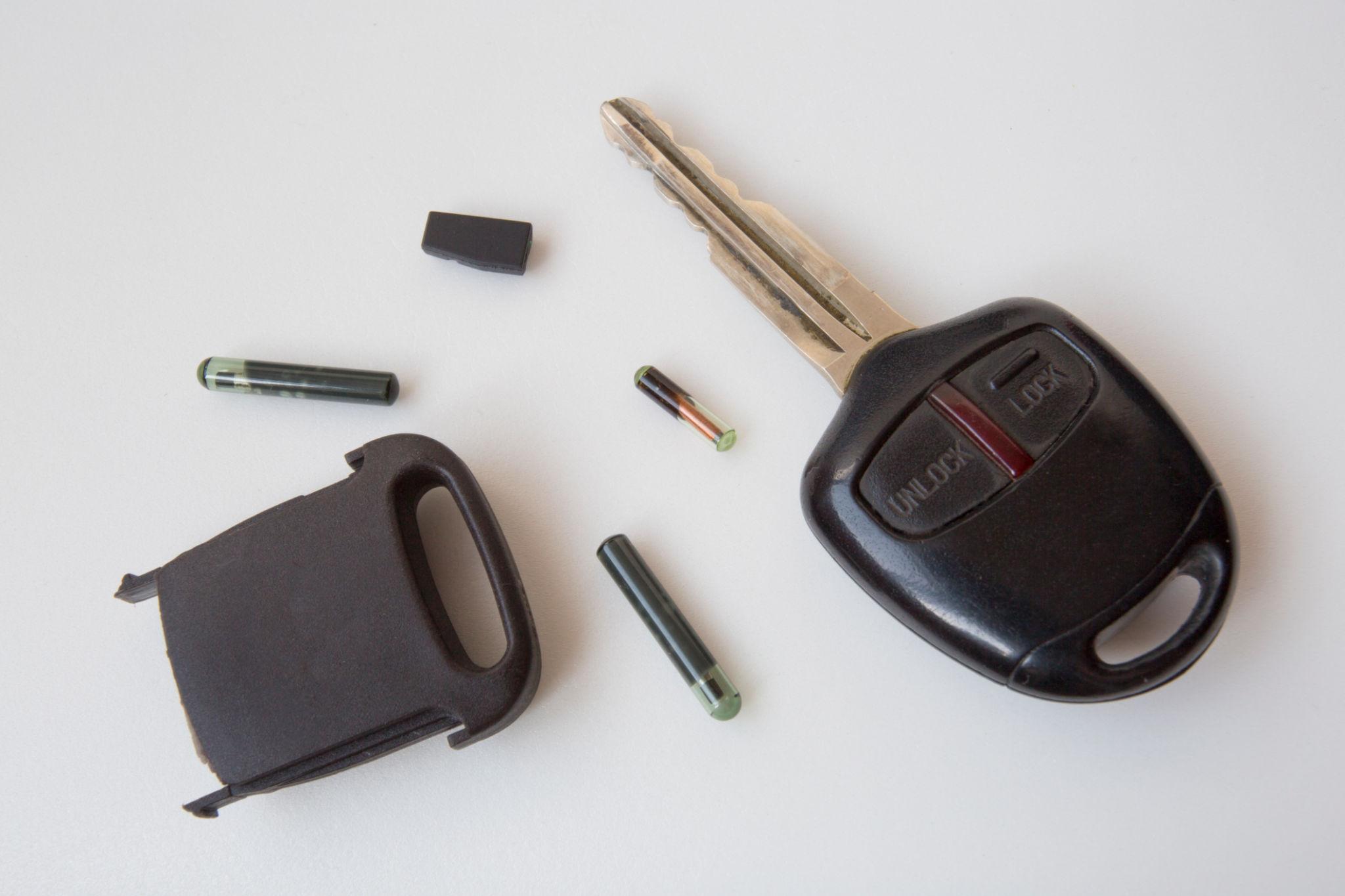
A transponder chip is a tiny RFID microchip embedded inside the key head or smart fob. When the key is inserted into the ignition or brought near the vehicle, the car communicates with the chip using radio frequency signals. If the vehicle recognizes the encrypted ID, the engine is allowed to start. If not, the vehicle remains immobilized.
Without a properly programmed transponder:
- The engine may crank but not start
- The security light may flash
- Fuel injection or ignition may be disabled
Most transponder systems became common after the mid-1990s as manufacturers fought rising vehicle theft rates.
How a Transponder System Works
- The ignition antenna ring energizes the key chip.
- The transponder responds with an encrypted ID.
- The immobilizer module verifies the code.
- The ECU authorizes engine start.
The Remote System (Keyless Entry)
Remote systems introduced convenience features beyond basic security.
These systems use radio-frequency communication between the key and the vehicle to control:
- Door locks
- Panic alarms
- Trunk release
- Sliding doors
- Remote start
Unlike transponders, remote systems typically require a battery because they actively transmit signals.
A remote may fail while the transponder still works perfectly.
That means:
- The remote buttons may stop functioning
- But the vehicle may still start normally
This is a very common misunderstanding among vehicle owners.
How the Remote System Works
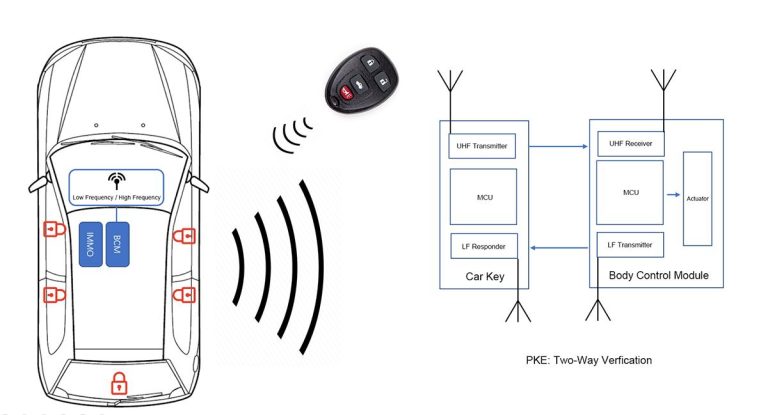
- You Press a button your remote, it generates a signal over Radio Frequency (RF) along with a secret rolling code, which will be validated by the car.
- The remote control door lock receiver, recieves the signal and cross checks the rolling code against its own rolling code. If they match the command is allowed
- The command is sent to the Body Control Module to actuate the Door Locks, Alarm, Trunk Release, etc.
- The Rolling Code is updated on both the car and the remote to ensure its “Sync”
Smart Keys (Push to Start) Proximity Systems
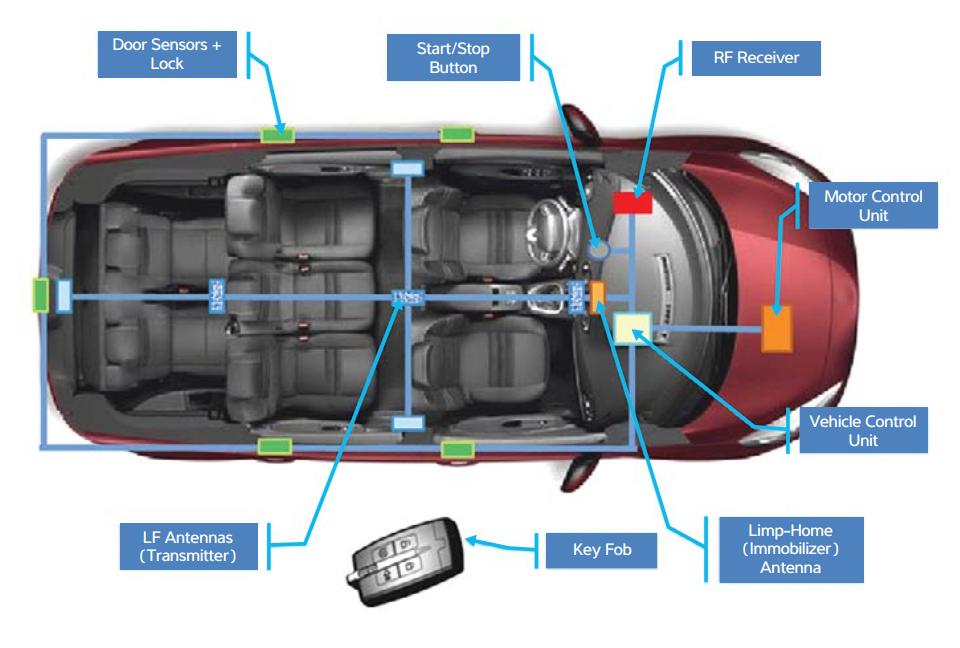
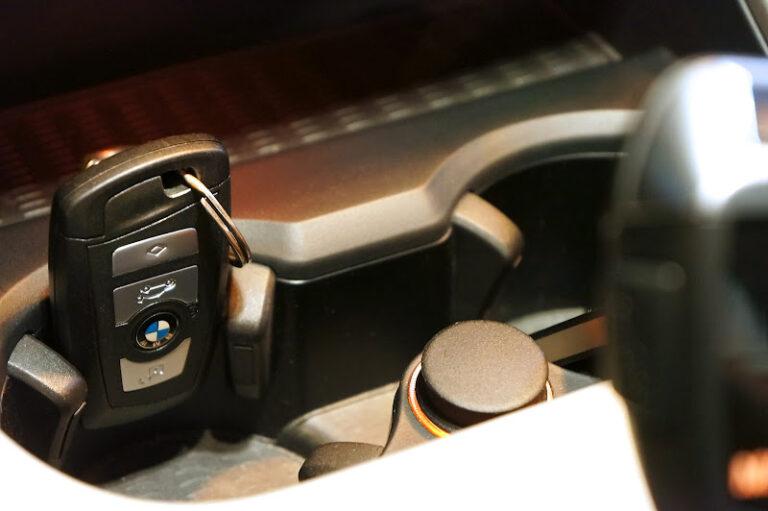
Smart keys, also known as proximity keys, are the most advanced automotive key systems commonly used today. Unlike traditional keys that must be inserted into the ignition, smart key systems allow for passive entry, push-button start, and hands-free vehicle operation. In many cases, the driver never needs to physically remove the key from their pocket, bag, or cupholder during normal use.
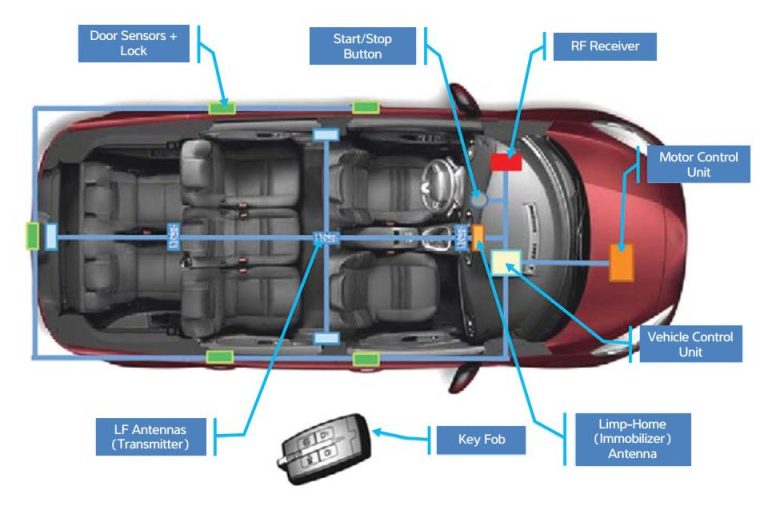
The vehicle communicates wirelessly with the smart key using a network of low-frequency (LF) antennas and radio-frequency (RF) communication systems positioned throughout the vehicle. Exterior antennas located in the door handles, trunk area, and surrounding body panels detect when an authorized key is approaching the vehicle. Once detected, the vehicle can automatically unlock the doors when the handle is touched or a button is pressed.
Inside the vehicle, additional interior antennas verify that the smart key is actually located inside the cabin before allowing the engine to start. This prevents someone from starting the vehicle if the key is left outside or too far away. When the driver presses the brake pedal and pushes the START/STOP button, the smart key module, immobilizer system, BCM, and ECU work together to authenticate the key and authorize engine operation.
Modern proximity systems are constantly performing several security checks in the background. The vehicle is continuously asking:
- Is the key nearby?
- Is the key physically inside the vehicle?
- Is the key properly programmed and authorized?
If all security checks pass, the immobilizer system allows the ECU to enable fuel injection, ignition, and starter operation so the engine can start. If any part of the authentication fails, the vehicle remains immobilized, even if the mechanical emergency key can still unlock the door.
How the Smart Key System Works
- The vehicle uses exterior antennas to detect the smart key near the doors or trunk.
- When you touch the handle or press unlock, the car asks the fob to prove it is authorized.
- The smart key replies using encrypted wireless communication.
- Once inside, interior antennas confirm the key is actually in the cabin.
- When you press the brake and push the START/STOP button, the smart key module requests start authorization.
- The immobilizer, BCM, and ECU/ECM confirm the key is valid.
- If approved, the ECU allows the engine to start.
Wait... There's a hidden Emergency Key?
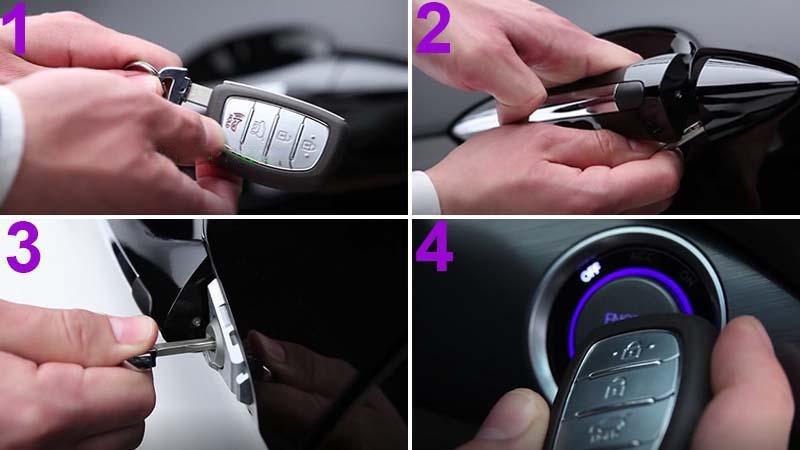
Many vehicle owners don’t realize their smart key contains a hidden emergency key blade.
This blade is typically:
- Stored inside the smart key housing
- Released with a small latch or button
- Used when the vehicle battery or key battery fails
The emergency key usually unlocks:
- Driver door
- Trunk
- Glovebox on some vehicles
Can I Start my car with a dead fob?
One of the most misunderstood features of smart keys is that many vehicles can still start even when the fob battery is dead.
Why?
Because the immobilizer transponder system often operates independently from the remote battery.
Manufacturers build backup starting methods into proximity systems.
Mr. Key Pro Inc. provides fast and affordable automotive key programming module coding, adaptation, and advanced automotive electronic diagnostics within the Greater Toronto Hamilton Area. Feel free to reach out with any questions or to get a quote for a new key!

mrkeypro
Newsletter
Latest Post