Intermittent electrical issues and random faults can be daunting to track down. We’ve spent over 100 years collectively diagnosing, and repairing complex electrical and computer system issues for our clients.
Modern vehicles rely on dozens of interconnected control modules, high-speed CAN/LIN/FlexRay networks, and complex sensor systems. At Mr. Key Pro, we specialize in advanced automotive electronics diagnosis and repair, combining dealer-level tooling with real-world troubleshooting experience—delivered directly to you through our fully equipped mobile service units.
Every Mr. Key Pro service vehicle functions as a mini automotive electronics lab, allowing us to diagnose and repair issues on-site without guesswork or unnecessary towing.
Manufacturer-level diagnostic software and scan tools
Advanced aftermarket platforms (coding, adaptation, flashing)
Digital oscilloscopes for live signal analysis
Multimeters, current clamps, and power-quality testing tools
EEPROM / module bench testing and recovery equipment
This setup allows us to:
Go far beyond generic OBD fault codes
Validate real-time sensor data and network traffic
Confirm module failures before recommending replacement
Perform configuration, adaptation, or repair immediately
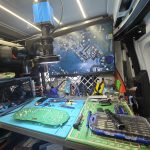
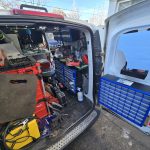
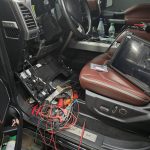
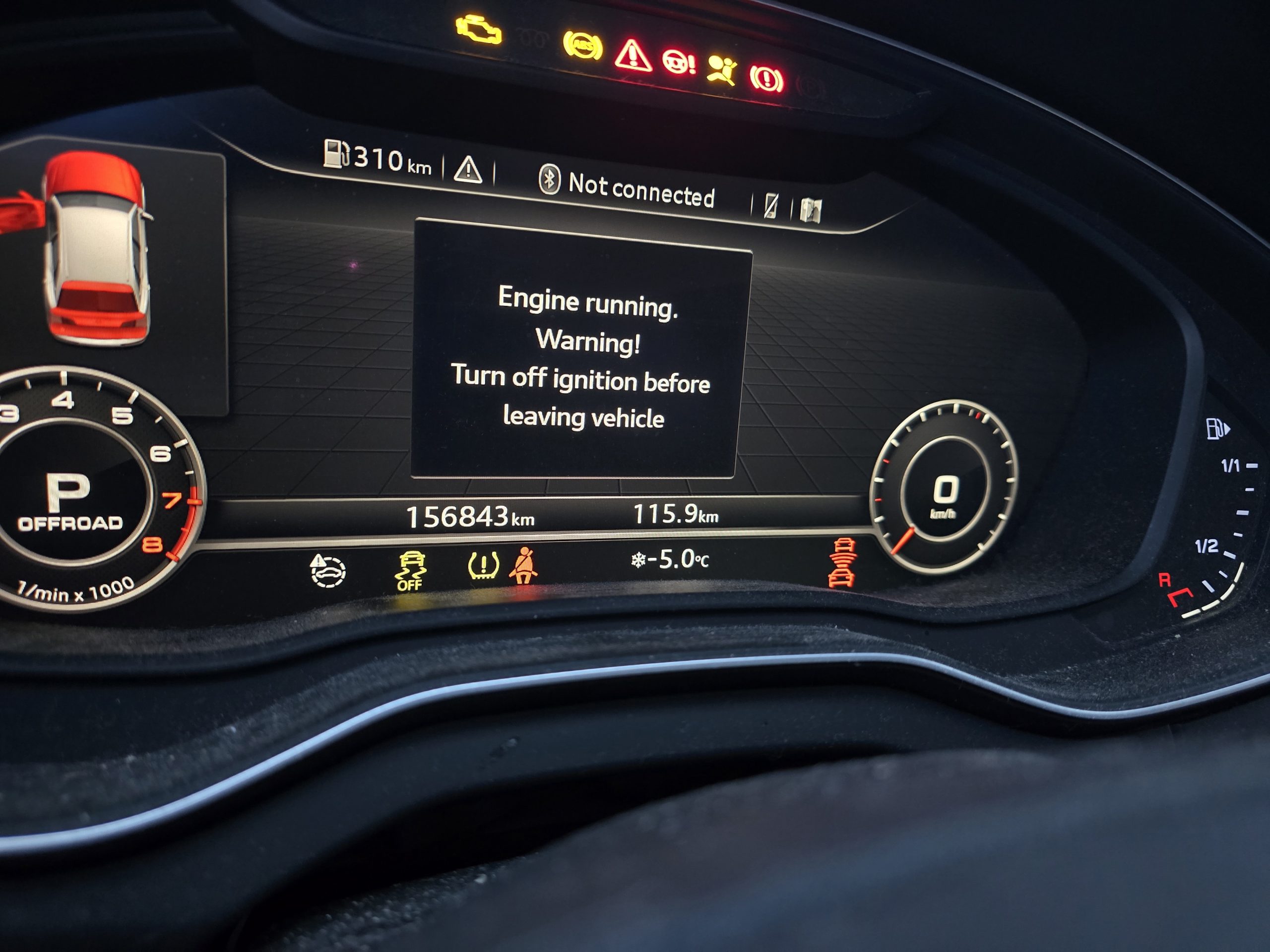
From Broken wiring harnesses, to blown Injector drivers, we’ve encountered our share of wierd ones.
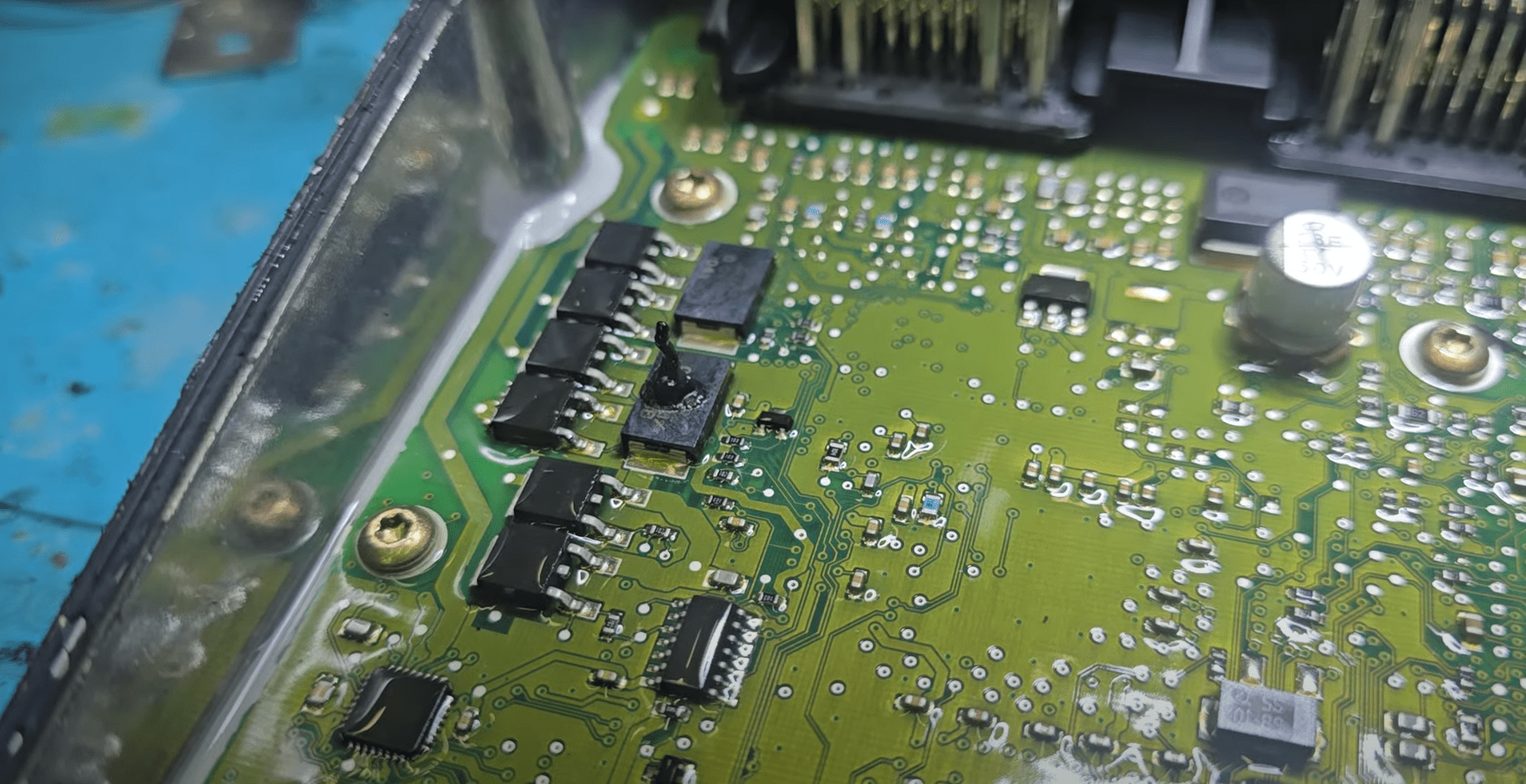
At Mr. Key Pro, our electronics repair and diagnostics process follows a structured, verification-driven workflow designed to identify root causes, not symptoms.
We begin by gathering detailed information about the issue you’re experiencing.
This includes:
Vehicle year, make, model, and trim
Description of symptoms or warning messages
Intermittent vs constant fault behavior
Recent repairs, battery issues, or module replacements
Any immobilizer, starting, or communication concerns
This step helps us determine whether the issue is likely related to electronic modules, wiring, power supply, network communication, or software configuration.
We perform a full vehicle electronic scan, not just engine-related diagnostics.
This includes:
Engine, transmission, body, and comfort modules
Immobilizer, gateway, BCM, and cluster systems
Network communication and module presence checks
Stored, pending, and historical fault codes
Fault codes are treated as directional data, not conclusions. Many electronic failures cascade across multiple modules, and proper interpretation is critical.
Once fault patterns are identified, we verify the underlying electrical integrity of the system.
This may include:
Power and ground circuit testing
CAN / LIN bus signal analysis
Voltage drop and resistance testing
Connector, pin, and corrosion inspection
This phase is essential to distinguish between:
Module failure
Wiring or connector issues
Low-voltage or battery-related faults
Software or adaptation errors
If a specific module is suspected, we assess whether it requires:
Software repair or reprogramming
Adaptation or synchronization
Cloning or configuration correction
Physical replacement or repair
Whenever possible, we repair or recover existing modules rather than defaulting to replacement—saving time, cost, and unnecessary reprogramming.
Our service vans are equipped as mobile automotive electronics labs, allowing advanced diagnostics and module work to be performed on-site.
Capabilities include:
Bench testing and programming of control modules
Stable power conditioning during diagnostics
Secure software handling and backups
OEM-aware diagnostic and programming tools
This eliminates unnecessary towing and reduces vehicle downtime while maintaining professional service standards.
Once the root cause is confirmed, corrective action is performed, which may include:
Module repair or replacement
Software updates or reprogramming
Immobilizer or security re-alignment
Network re-initialization and adaptation resets
All work is completed with attention to manufacturer protocols and inter-module dependencies.
Before returning the vehicle, we verify:
All fault codes are resolved
Modules communicate correctly
Warning lights and alerts are cleared
Systems operate correctly under real driving conditions
A final system scan confirms the repair was successful and stable.
We conclude with a clear explanation of:
What failed and why
What was repaired or corrected
Preventive recommendations (if applicable)
Ongoing support options
Our goal is transparency, confidence, and long-term reliability.
1-888-857-1430